
How Allostatic Load Wrecks Recovery — and How to Reverse It
By Coach Johnny B (Ms, CFL3, LMT)
According to the CDC and the National Health Interview Survey, 86% of Americans experience musculoskeletal pain each year. Still, of those people, less than 7% of that group have pain that is due to trauma (i.e., a fall during a run and broke a collar bone, sprained ankle in a game, tore UCL doing jiu-jitsu, etc.). That means 93% of injuries come from an unknown source, which allows for all sorts of conjecture, theories, and, of course, everyone becoming a regular Dick Tracy.
The 93% of “chronic” or subacute injuries is where the importance of taking measures and data comes in. Every cumulative trauma injury (tendinopathy, bone stress injury, fascial tear, etc) has a potential biomechanical underpinning, and those can easily be figured out by having one of the trained clinicians at ASR evaluate you.
However, oftentimes when we test, there is no clear underlying biomechanical or biological problem, and that is where the concept of Allostatic load comes in.
“Allostasis” is the process of achieving stability through physiological or behavioral change— in other words, it is how your body adapts to stress in its environment. When stress is acute (like pre-race nerves or getting chased by a bear), our systems are very adaptive and resilient. However, chronic stress from things like kids, work, social media, watching the news, training, money, poor diet, or drinking leads to an increased allostatic load, where repeated surges of cortisol, catecholamines, and inflammatory cytokines begin to damage tissues, metabolic dysfunction, and impair recovery, which leads to injury.
Specifically, having a greater allostatic load than you are adapted for can do the following to your body
- Impair tissue recovery
- Alter nueromsuclar control
- Create an internal body environment of inflammation via chronic presence of inflammatory cytokines (e.g., IL-6, TNF-α)
- Ruin sleep and mute its benefits
- Impair hormonal recovery
- Have adverse cognitive & behavioral effects
Common markers of having high allostatic load include:
- Low Resting HRV (low = high load)
- Elevated morning cortisol or a blunted diurnal rhythm
- Poor sleep quality
- Chronic fatigue and mood disturbances
- Increased soft tissue tightness or reduced mobility
- Recurrent soft tissue injuries
- Poor motivation
- Chronic tendinopathy or pain
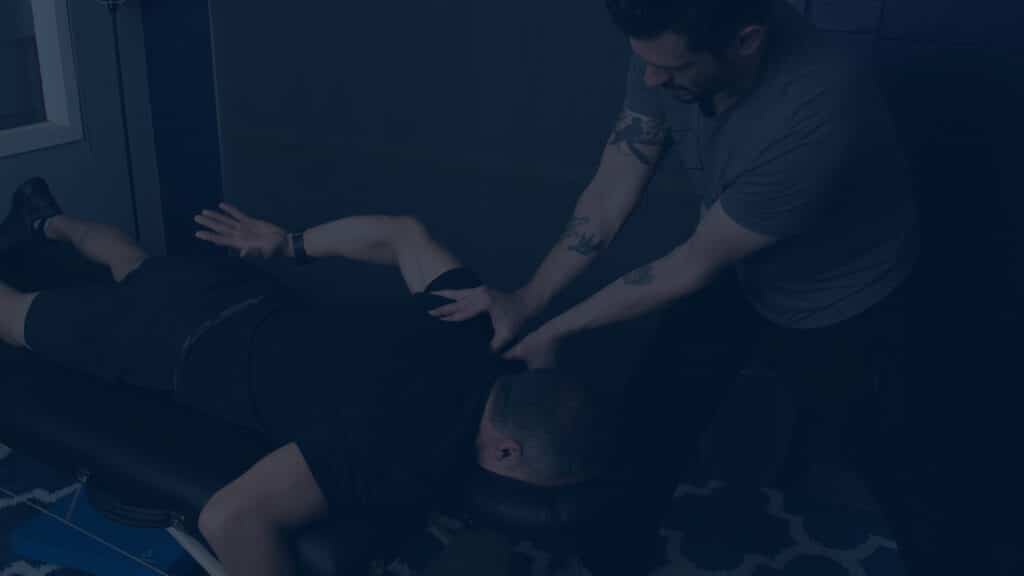
Managing allostatic load means balancing training stress with life stress, and incorporating recovery modalities that reduce systemic load—e.g., mindfulness, adequate sleep, parasympathetic stimulation (breathwork, massage, low-intensity aerobic sessions), eat clean, avoid negative habits and people & maybe the biggest thing you can do is get a massage or body work.
A study by Moyer et al. (2004) found that a single session of Massage Therapy can reduce salivary cortisol, heart rate, and blood pressure. A later (2005) and even more comprehensive study, conducted by Field & friends, found that a single session of massage therapy can reduce cortisol by 30% and increase serotonin and dopamine (the neurotransmitters that help balance allostatic load) by 30%.
A 2024 long-term study by Ahmed & Marinova found that receiving 10 sessions of massage over the course of 6 weeks resulted in reduced serum cortisol and MSK pain levels that were non-measurable.
The point here is that life increases Allostatic load, and sometimes we can’t control that. However, we can take steps to mitigate its effects on our system, and doing so can be the key to resolving that chronic issue.